





Why is skin sensitive after childbirth?
Table of Contents
- Why is skin sensitive after childbirth?
- Fatigue, stress, and dry skin after childbirth
- How to care for sensitive skin after childbirth?
- Frequently asked questions
After childbirth, the skin often becomes more reactive, dry, or irritated. This is a common experience, and its causes are well understood. The skin goes through a period of imbalance during which hormonal fluctuations, fatigue, dehydration, and a weakened skin barrier combine to make it more reactive and sensitive. Understanding these mechanisms allows for better care of skin that is changing, both immediately after birth and in the weeks that follow.
Why is the skin sensitive after childbirth?
After pregnancy, the body rapidly readjusts. The hormonal changes that follow childbirth alter the skin’s hydration levels, sebum production, and tolerance to irritants. This postpartum skin, already under strain during pregnancy, can become more demanding, with visible symptoms such as redness, tightness, or unusual reactivity. Appropriate skincare helps support this transition at every stage.
The hormonal drop: the main cause of skin sensitivity
The hormonal drop after childbirth plays a central role. After giving birth, your body experiences a sudden drop in hormone levels. These hormones, which work hard during pregnancy, play a key role in keeping your skin supple and well-hydrated. When they drop suddenly, your skin feels the impact: it loses its suppleness, no longer retains moisture as well, and is less able to defend itself against external aggressors.
This hormonal drop also affects the natural production of sebum, the protective substance that coats your skin. Without it, your skin barrier weakens and becomes more vulnerable. This is why your skin may suddenly feel drier, thinner, or more fragile than before. These changes are normal and very common after childbirth.
What are the specific effects on the postpartum skin barrier?
After childbirth, the skin isn’t just drier. It reacts differently. The immune system also readjusts after childbirth, which can contribute to certain skin conditions. At every stage, sensitive skin therefore requires special care, especially in the first few weeks after childbirth.
- Weakening of the hydrolipidic film: a decrease in sebum reduces the skin’s natural protection and promotes water loss, leading to a more pronounced feeling of dryness.
- Alteration of the skin’s structure: a drop in hormone levels reduces the support provided by collagen and elastin, making the skin less supple and more reactive after childbirth.
- Immune system changes: the immune system may contribute to the development of eczema, redness, or postpartum acne in some women.
Taking care of yourself, in this context, primarily involves restoring hydration, minimizing irritants, and supporting the skin barrier with simple formulas. A moisturizing serum for sensitive skin formulated with hyaluronic acids of different molecular weights can help reinforce this weakened moisture barrier.
Hyperpigmentation and skin sensitivity: signs to watch for after childbirth
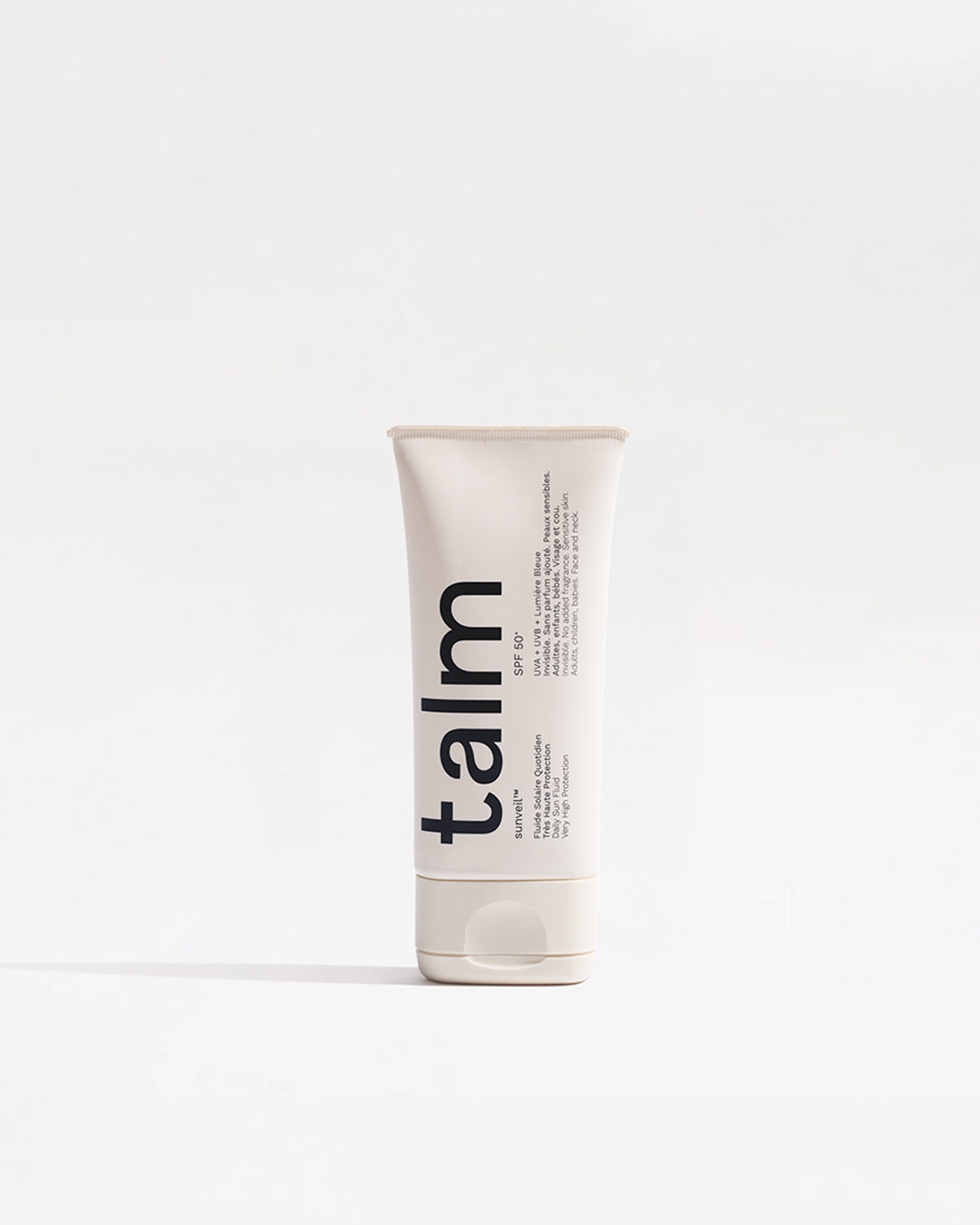
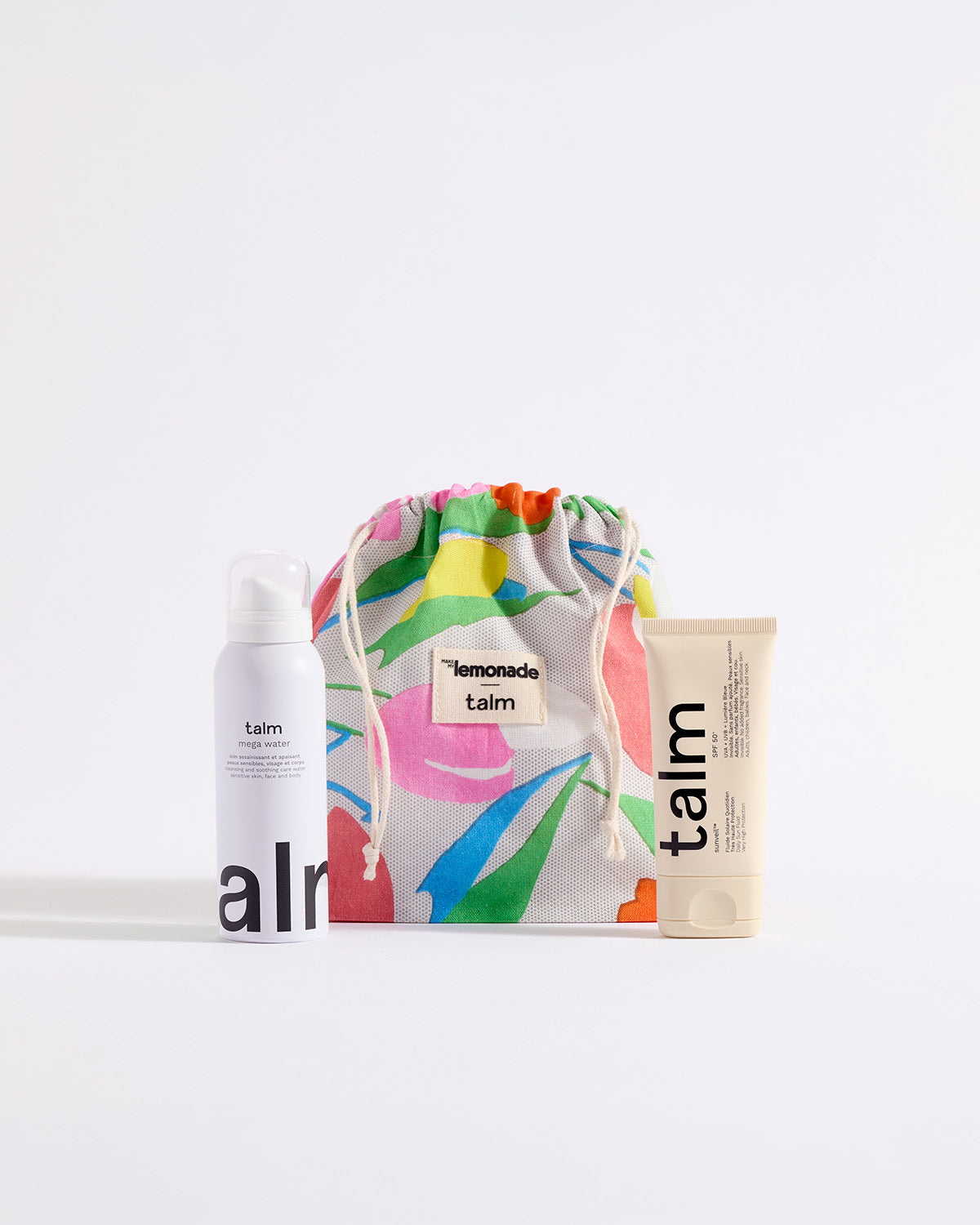
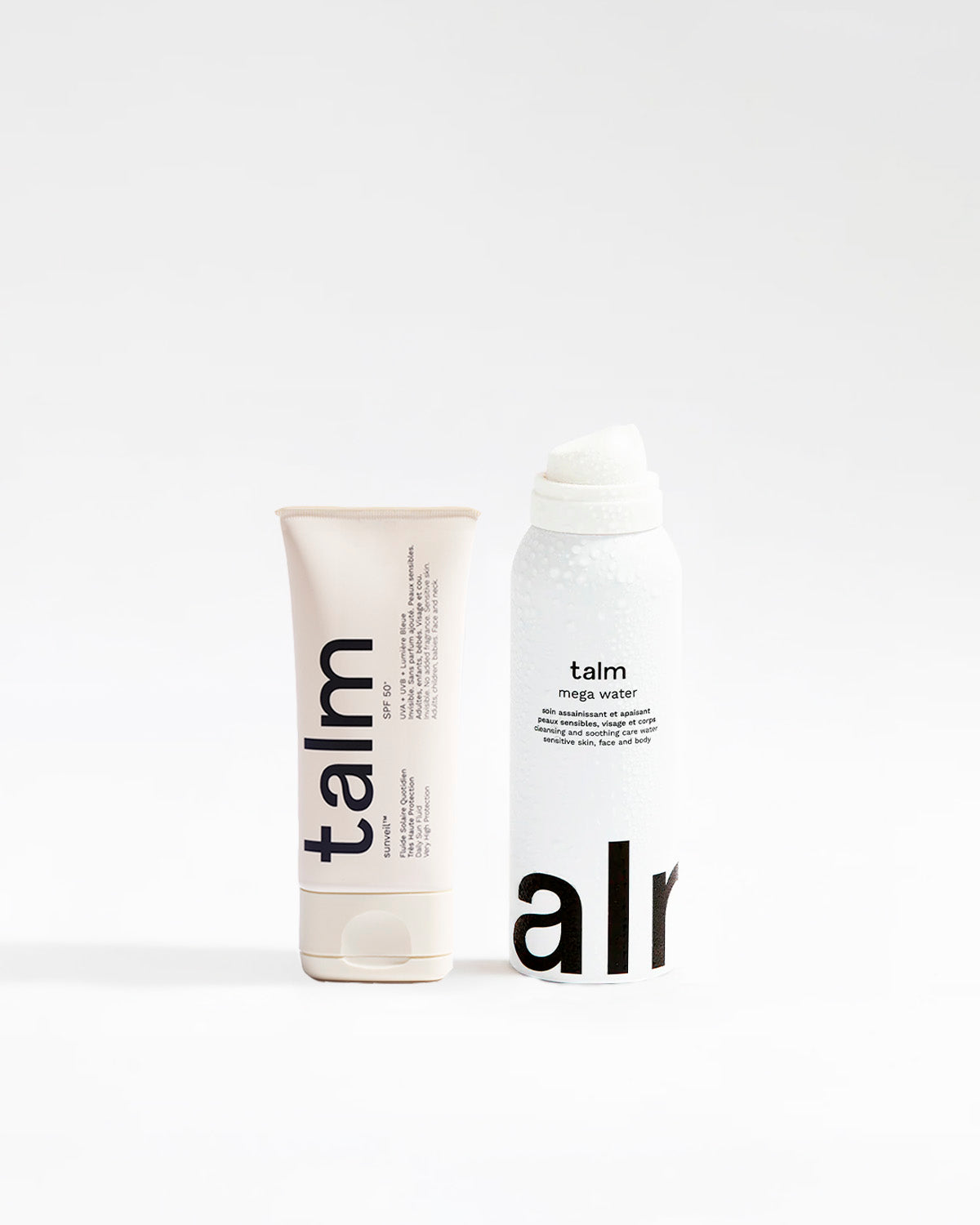
During pregnancy, estrogen and progesterone stimulate melanin production. This is one of the causes of melasma, sometimes called the “pregnancy mask.” After pregnancy, this melasma may persist or even appear more noticeable if the skin remains compromised and exposed to UV rays. A broad-spectrum sunscreen like our Sunveil, applied regularly, helps minimize this hyperpigmentation over time.
Other symptoms may appear or persist after childbirth: itching, redness, and flare-ups of eczema or postpartum acne. In some cases, the skin after pregnancy also reacts to hormonal and immune system changes by becoming more sensitive to skincare products that were previously well tolerated. If symptoms persist, worsen, or are accompanied by significant pain, a midwife or dermatologist can help determine the appropriate course of action.
A moisturizing routine, a well-tolerated texture, and minimal irritants are often enough to support skin that is changing after childbirth. The sensitive skin mist, enriched with minerals, can help relieve feelings of discomfort during this transitional period.
Fatigue, stress and dry skin after childbirth
After childbirth, the skin often changes as quickly as daily life does. The postpartum period isn’t just about hormonal fluctuations: fatigue, stress, lack of sleep, and dehydration also take a toll on the skin’s balance. As a result, the skin can become more reactive, showing signs of dryness, tightness, or a less radiant complexion.
How does postpartum fatigue show on the skin?
Interrupted sleep slows down cell renewal and hinders tissue oxygenation. The complexion appears duller, the eye contour becomes more pronounced, and fine lines may begin to form. The skin then goes through a very real phase of vulnerability, which is all the more pronounced while the body is still recovering from pregnancy and childbirth.
Postpartum dry skin is also due to the fact that it becomes more difficult to maintain the skin’s hydration. As fatigue builds up, we sometimes drink less water, find fewer opportunities to take care of ourselves, and the skin loses its suppleness. Dark circles, puffiness, and loss of elasticity: these signs often point to the same underlying cause, namely the postpartum period and lack of sleep.
Dryness, itching, and eczema after childbirth
There is a direct link between fatigue, stress, and skin condition after childbirth. The hormonal drop that follows childbirth, particularly the decrease in progesterone, reduces sebum production and weakens the hydrolipidic film. As a result, the skin becomes drier more easily, sometimes accompanied by itching, redness, tingling, or eczema flare-ups after birth.
Stress also affects the skin’s immune response. Sensitive skin, already weakened by the postpartum period, can become more reactive to everyday irritants. Frequent washing, which is very common after childbirth and during breastfeeding, further compromises the protective barrier, especially on the hands. Excessively hot water, fragranced products, or alcohol can then exacerbate discomfort rather than soothe it.
In this context, it’s best to stick to the basics. Opt for fragrance-free, alcohol-free formulas that are dermatologically tested and safe for use while breastfeeding. Moisturizing after each repeated exposure to water helps limit postpartum skin dryness and supports reactive skin without over-stressing it.
| Factor | Effect on the skin | Visible sign |
| Drop in estrogen | Reduction in collagen and hyaluronic acid | Less supple skin, tightness |
| Decrease in progesterone | Reduced sebum, weakened hydrolipidic film | Dry skin, itching |
| Lack of sleep | Slowed cell renewal, reduced circulation | Dull complexion, dark circles, puffiness |
| Emotional stress | Immune and skin dysregulation | Redness, eczema |
| Dehydration | Water deficiency affecting the epidermis | Tight skin, discomfort |
When fatigue, stress, and lack of sleep set in, the skin often reflects this imbalance even before we realize it. Simple, consistent skincare routines are often enough to hydrate and soothe skin that has been weakened by this period.
How to care for sensitive postpartum skin?
After pregnancy, the skin often goes through a phase of imbalance. Between fatigue, stress, hormonal fluctuations, and the new routine imposed after childbirth, skin that’s changing requires consistency rather than a complex regimen. The idea isn’t to do more, but to support sensitive skin with simple, regular, and well-tolerated steps.
What gentle routine should you adopt after giving birth?
After giving birth, it’s time to get back to basics. A gentle, soap-free cleanser, a nourishing serum, and a moisturizer provide a sufficient foundation to support the skin barrier without overloading it. Avoid fragrances, alcohol-based formulas, and excessively hot showers, as these irritants further weaken the protective barrier. Whether the birth was vaginal or by C-section, the approach remains the same: soothe, protect, and allow the skin to recover at every stage.
Which active ingredients should you prioritize to soothe and hydrate the skin?
The most effective postpartum moisturizers rely on a few complementary active ingredients. Low molecular weight hyaluronic acid supports deep hydration, while its high molecular weight form creates a protective veil on the skin’s surface. Organic aloe vera helps soothe discomfort, and minerals such as silicon, magnesium, phosphorus, and calcium support skin structure and cell renewal. In practice, 2 to 3 drops of serum applied to clean skin before your moisturizer are often sufficient.
During this time, it’s best to opt for minimalist formulas with transparent ingredients and proven skin tolerance, even while breastfeeding. This consistency helps maintain stability when the skin becomes more reactive.
Daily routines to maintain postpartum skin comfort
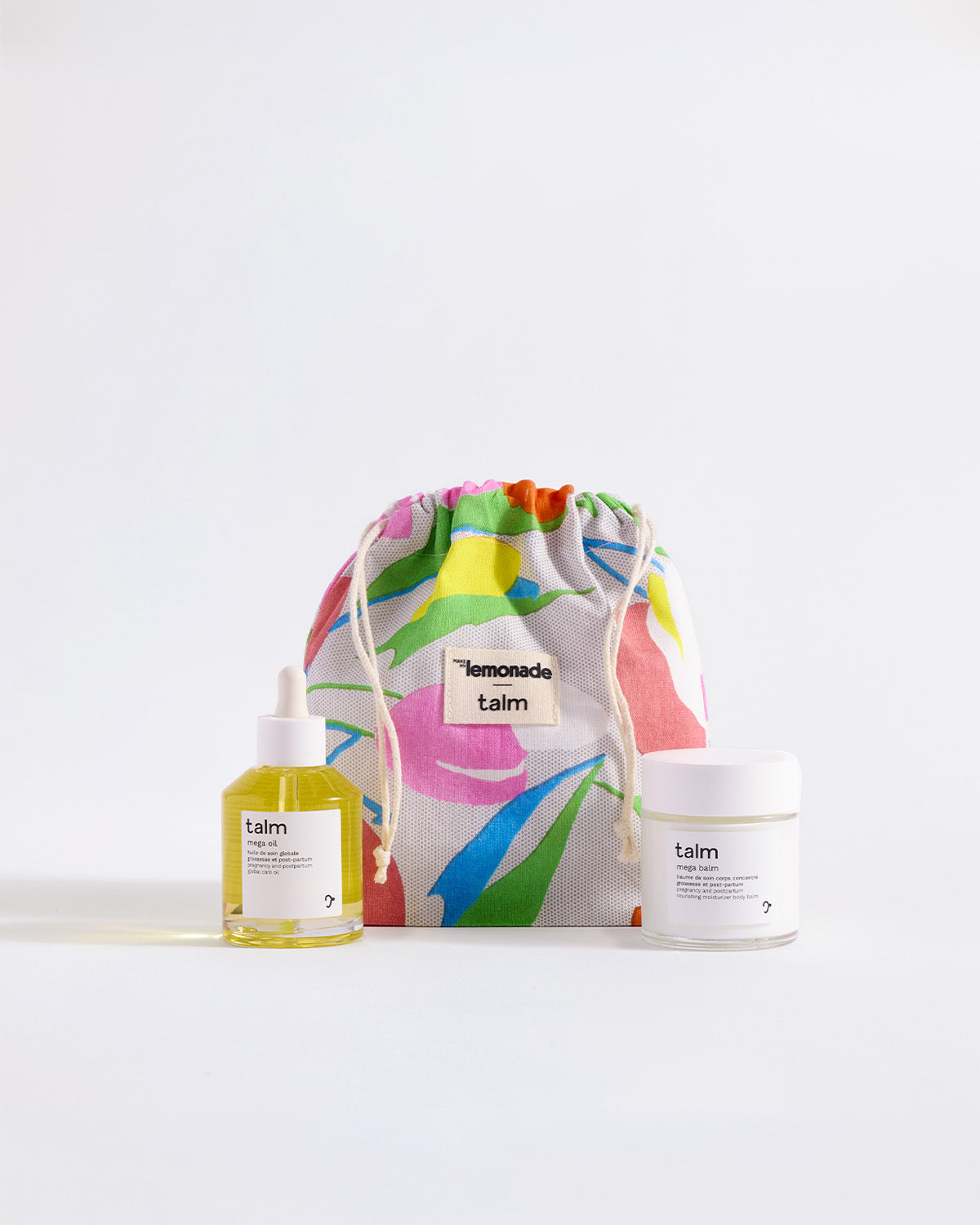
The body also deserves support after pregnancy. Regular massage with rich plant-based oils such as shea, avocado, or olein helps maintain skin suppleness, stimulates blood circulation, and supports a body marked by pregnancy, childbirth, or a C-section. These oils also support fibroblast activity and help minimize sagging after the skin has been stretched.
Avoid harsh scrubs, opt for lukewarm water, and minimize exposure to everyday irritants. In the postpartum period, self-care often involves simple steps that soothe without being restrictive.
Frequently asked questions
Why has my skin become so dry and irritated after giving birth?
After giving birth, the skin undergoes a very real upheaval. The drop in estrogen and progesterone weakens the skin barrier: sebum production decreases, natural hydration drops, and sensitive skin becomes more reactive. Added to this are stress, lack of sleep, and fatigue during the first few weeks following childbirth, which can exacerbate dryness, redness, and discomfort.
With gentle, soothing skincare, a more consistent routine at each stage, and a little time, skin that’s going through these changes often regains its balance.
Is postpartum acne common, and how long does it last?
Yes, postpartum acne is common, especially in the weeks following childbirth. Hormonal changes alter sebum production and can lead to blackheads, inflamed pimples, and redness. For some women, this phase is brief; for others, it lasts a few months, until hormonal changes stabilize.
You can manage this period without irritating your skin. Cleansing and balancing skincare products, formulated for sensitive skin, help soothe visible breakouts without exacerbating dryness. If the breakout persists, worsens, or is accompanied by pain, consulting a doctor can help identify the causes and rule out associated irritation or even eczema.
What skincare products can I safely use while breastfeeding?
While breastfeeding, it’s best to opt for gentle, fragrance-free, and alcohol-free formulas designed to be gentle on skin that’s been weakened after childbirth.
If you experience a persistent reaction, eczema, severe redness, or unusual pain, it’s best to consult a midwife or dermatologist. This guidance is especially valuable if sleep deprivation, stress, or postpartum acne are making your skin more sensitive.
Read more

Alice Violier Amzalak founded Seconde Vue with a simple idea: to give forgotten vintage eyewear a second life. Since then, she has been hunting for, restoring, and upcycling these one-of-a-kind pie...

Stretch marks, dryness, acne… Discover our postpartum tips and skincare routines to take care of your body and restore healthy, hydrated skin.