




Postpartum hair regrowth: baby hair and tips
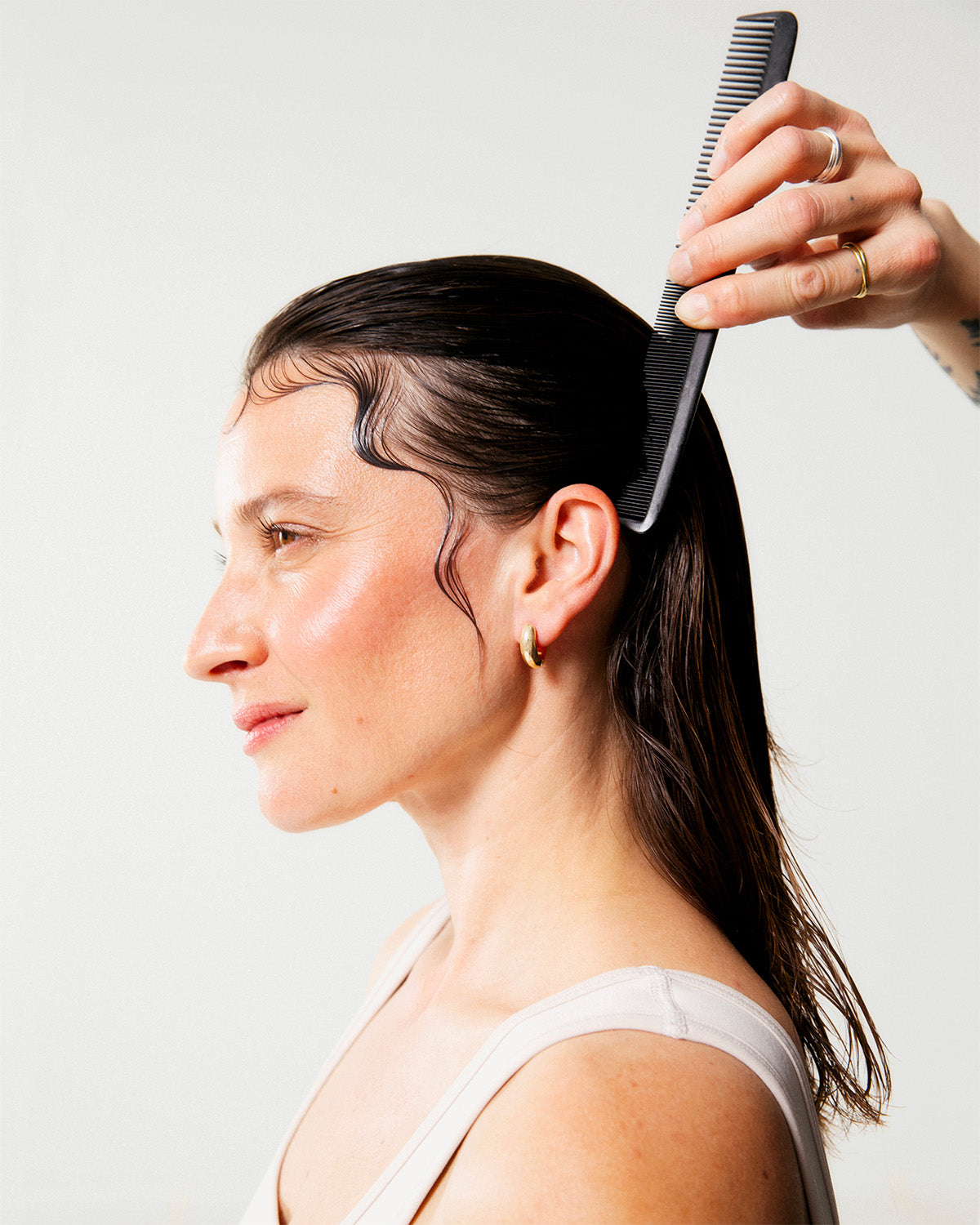
After childbirth, hair loss is often one of the first things that takes women by surprise. Those little short hairs growing back around the face, the change in hair density, the questions piling up: here are some simple explanations to help you better understand what’s happening and how to gently care for your scalp. After childbirth, it’s normal to feel unsettled when you see your hair density change. It’s common. And, more often than not, it’s temporary.
Postpartum hair loss: what’s really going on?
After giving birth, many women notice more pronounced hair loss. This hair loss can be alarming, especially when it comes on top of fatigue, lack of sleep, and everything else that the postpartum period already brings. However, in most cases, postpartum hair loss is part of the body’s natural rebalancing process after pregnancy.
Why pregnancy and the postpartum period disrupt the hair growth cycle
During pregnancy, hormone levels fluctuate significantly. This hormonal environment prolongs the growth phase of the hair growth cycle: hair remains in the growth phase longer, and the hair often appears thicker, softer, and shinier. Then, after childbirth, this hormonal support diminishes. A larger number of hairs that had been in a holding pattern enter the resting phase before falling out. This is known as postpartum telogen effluvium.
In other words: postpartum hair loss often represents a return to balance. You aren’t necessarily losing “too much” hair in the strict sense; you’re also shedding the hair that had been in a resting phase during pregnancy. The visual effect can be striking, even though the phenomenon is natural. Every body reacts at its own pace, depending on its hormonal balance, level of fatigue, any nutritional deficiencies, and how the postpartum period is experienced.
Is hair loss after childbirth inevitable?
No. Not all women’s hair reacts the same way postpartum. Some women experience very noticeable hair loss. Others notice only slight hair loss when brushing their hair or in the shower. There’s no hard and fast rule, and certainly no “right” way to go through this period.
Several factors can influence postpartum hair loss:
- hormonal changes after childbirth;
- fatigue and stress;
- prolonged sleep deprivation;
- breastfeeding, which can alter the hair growth cycle but does not fully explain the loss on its own;
- nutritional deficiencies, particularly in iron, B vitamins, or vitamin D.
These factors do not always act independently. Often, they occur in combination.
How long does postpartum hair loss last?
Postpartum hair loss often begins a few months after childbirth, when hormone levels stabilize following pregnancy. For many women, the most intense phase lasts a few weeks to a few months, after which the situation gradually improves. Hair regrowth after childbirth then begins to become noticeable, sometimes in the form of short, fine hairs at the temples, the nape of the neck, or around the forehead.
Some women quickly regain their usual hair density, while others have to wait several months before noticing a difference.
If hair loss persists for a long time, if it seems to be getting worse, or if you feel very tired, it may be helpful to talk to a healthcare professional. This will help determine whether there are any nutritional deficiencies or other imbalances to consider. But in most cases, hair gradually regains its natural balance after childbirth, with time, appropriate advice, and plenty of gentle care.
Postpartum baby hair: understanding these little unruly strands
One morning, you suddenly notice them. A fringe of fine, tiny hairs around your face, at your temples, or along your forehead. They slip through your brush, create a slightly unruly halo, and seem to do whatever they please. These are baby hairs. And even though they can be confusing at first, they often signal something positive: your body is moving toward a new balance after childbirth.
What are baby hairs and why do they appear?
The first postpartum hairs to grow back are often the most visible around the face. These baby hairs are new, short, fine, sometimes a bit frizzy, or slightly wavy. They start to appear a few months after childbirth, particularly near the hairline, on the temples, or at the crown of the head. Their presence signals that the hair growth cycle is resuming its normal rhythm and that hair growth is gradually picking up again.
- A reassuring sign: their appearance goes hand in hand with hormonal rebalancing and the gradual resumption of hair growth.
- A unique texture: softer, lighter, and sometimes more unruly, it can form a small crown around the face. This is common. And temporary.
How to style baby hair on a daily basis
At first, this new growth can be hard to tame. That’s normal. The first postpartum hairs are short, fine, and don’t always fall the way you’d like them to.
To gently tame them, try these simple steps: a small, clean brush lightly dampened with water helps smooth them out, while a lightweight gel or styling product keeps them in place without making them look stiff. Certain hairstyles also make it easier to manage: a well-defined part, a low bun, a loose ponytail, or braids can help blend this postpartum hair into the rest of your hair.
Will baby hair stay?
No, not in this form. These tiny hairs are bound to grow. Month after month, they gain length and thickness and eventually blend in with the rest of your hair. Their standing-up or fuzzy appearance usually fades over time.
The pace can vary from woman to woman: hormonal balance, fatigue, diet, and even the body’s overall postpartum condition can influence growth. But overall, the process is the same: the hair growth cycle resumes, and postpartum hair gradually regains its visual density.
When it comes to hair, this requires a little patience. Treating it gently, avoiding harsh treatments, and respecting this natural rhythm is often the most helpful approach.
How to promote hair regrowth after childbirth
After childbirth, seeing your hair change can be unsettling. However, postpartum hair loss is common, and regrowth usually occurs gradually. To support this process, you don’t need to change everything: a few regular habits, paying attention to your diet, and maintaining as gentle a lifestyle as possible can really help your hair during this time.
Everyday habits to minimize hair loss
To support hair regrowth after childbirth, you can start simple. Hair is often more fragile during this time: it needs gentleness, not additional stress.
- Looser hairstyles: it’s best to avoid tight ponytails, overly tight braids, and tight buns, which increase tension on already sensitive roots.
- Less heat: if possible, use a hair dryer and straightening iron less frequently, and opt for air-drying or drying at a low temperature.
- Gentle detangling: a wide-tooth comb or a soft-bristled brush helps minimize breakage, especially on wet hair.
- A scalp massage: a few minutes of circular motions can promote microcirculation and support hair growth.
A haircut can also be beneficial. Trimming damaged ends often restores a sense of fullness and lightness, while helping you cope better during this postpartum period. And for everyday use, gentle accessories, such as silk or cotton hair ties, prevent unnecessary friction.
Diet and key nutrients for postpartum hair
Hair regrowth also starts from the inside. After childbirth, the body recovers from pregnancy and expends a great deal of energy. Certain nutrients are particularly beneficial: protein, iron, zinc, omega-3s, and B vitamins. They support hair growth, scalp balance, and the healthy functioning of the hair growth cycle.
Iron deserves special attention, as reserves may be lower after pregnancy and the hair loss associated with childbirth. Staying well-hydrated, getting restorative sleep when possible, and being gentle with yourself when dealing with stress are also important. In the postpartum period, you can’t control everything—and that’s perfectly normal.
| Nutrient | Role in hair health | Food sources |
| Iron | Helps oxygenate hair follicles and reduce hair loss | Red meat, lentils, spinach |
| Biotin (B8) | Helps strengthen the hair shaft and maintain healthy hair | Eggs, almonds, sweet potatoes |
| Zinc | Contributes to keratin synthesis and scalp balance | Seafood, pumpkin seeds, legumes |
| Protein | Supports the hair’s structure | Fish, poultry, legumes, tofu |
| Omega-3 | Helps nourish the hair shaft and soothe the scalp | Fatty fish, nuts, flaxseeds |
Dietary supplements to support postpartum hair regrowth
After giving birth, it often feels like everything is happening at once. Fatigue sets in, your routine changes, your body recovers, and your hair after pregnancy can also go through a real transition phase. Even with a balanced diet, it’s not always easy to meet all your essential nutrient needs during this postpartum period, especially for new moms juggling a hectic daily routine, breastfeeding, or hormonal fluctuations.
These times call for being gentle with yourself. Carefully selected supplements can support the body from within, supporting the hair growth cycle and helping you navigate this period with a little more peace of mind.
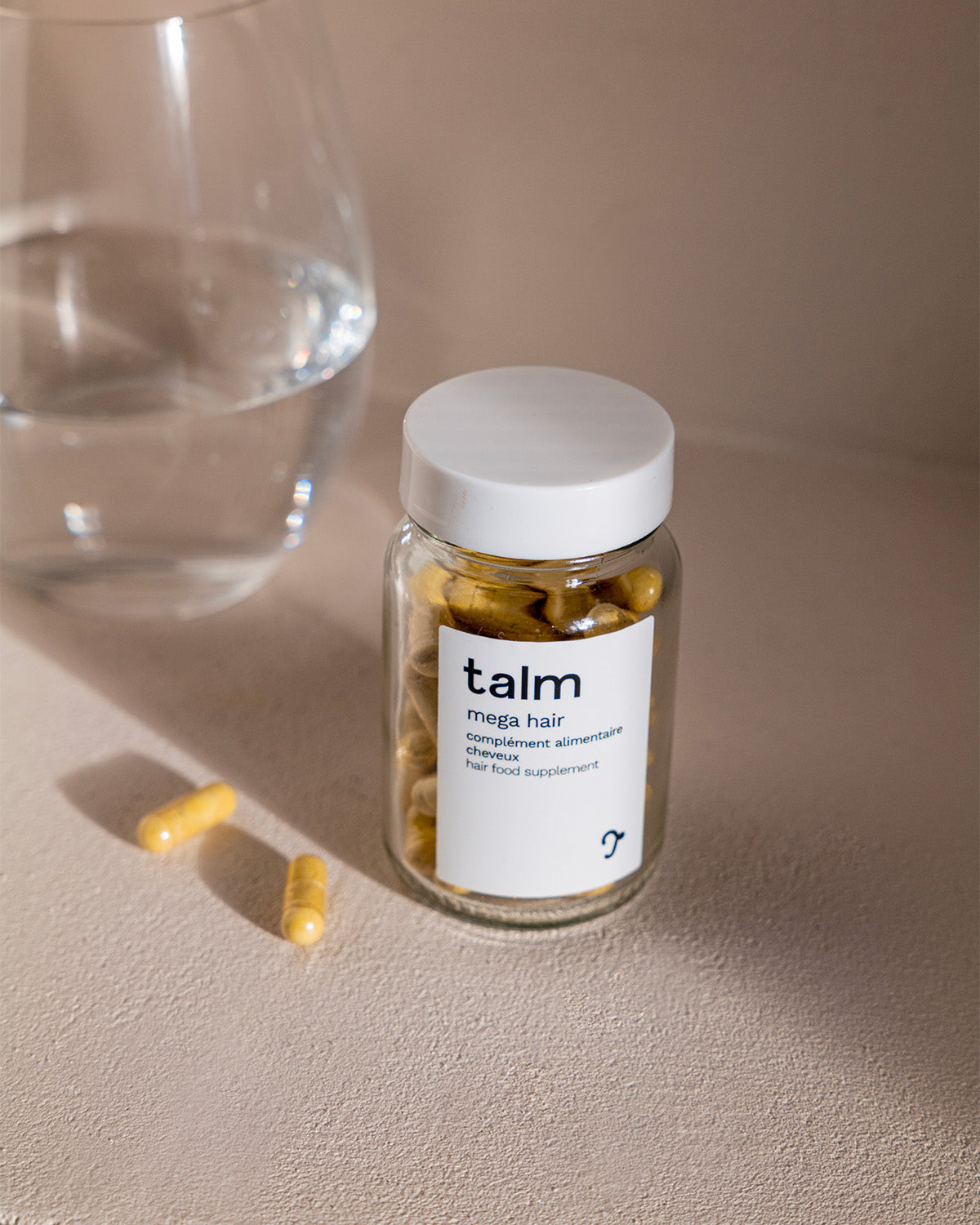
Mega Hair, the supplement designed for postpartum hair
When hair regrows after postpartum hair loss, each follicle needs to be nourished to support new hair growth, maintain density, and strengthen hair that may be more fragile than before.
To support this process, Mega Hair has been formulated with a 100% natural and vegan approach, designed to promote hair vitality, scalp health, and density after childbirth.
- Nettle and enriched brewer’s yeast: nettle helps rebalance the scalp and combat hair loss, while brewer’s yeast enriched with B vitamins supports the vitality and growth of the hair shaft.
- L-Arginine and blueberry extract: L-Arginine deeply nourishes the hair shaft; blueberry extract supports microcirculation in the scalp to better support hair follicle activity.
- Zinc, biotin, and acai: zinc helps maintain healthy hair and contributes to keratin synthesis; acai provides antioxidant support to strengthen the hair shaft and enhance shine.
The formula acts at different stages of the hair growth cycle: it helps address postpartum hair loss, supports new hair growth as soon as it appears, and strengthens existing hair. Gentle support designed for postpartum hair, without making excessive promises.
Duration and frequency of use: tailor the regimen to each woman
During the postpartum period, every woman’s recovery pace is different. To support hair after childbirth, a treatment course lasting several weeks, at a dose of 2 capsules per day with a large glass of water, is generally recommended. The first changes may sometimes be noticeable fairly quickly, but we also know that regrowth takes time. To see hair density improve and to sustain hair vitality over the long term, consistency often matters more than rushing the process.
Postpartum hair loss doesn’t follow the same timeline for everyone. For some women, it subsides quickly; for others, hair loss lasts a little longer. You can therefore tailor the regimen to your own experience, without comparing yourself to others. The key is to support your body at the right time, according to its needs, throughout the entire postpartum period.
Combining supplements and a daily routine to care for your hair
For a more holistic approach to post-pregnancy hair care, the postpartum duo combines Mega Hair and After Bump™. This comprehensive routine supports hair health, hormonal balance, and energy levels, thanks to nutrients such as iron, magnesium, and vitamin D3. It’s a way to support the postpartum period as a whole, without reducing it solely to the issue of hair loss.
At the same time, a few simple steps can really make a difference: a gentle hair care routine, a varied diet rich in essential nutrients, and regular scalp massage to promote microcirculation. It’s often this holistic approach that best supports hair growth, regrowth after childbirth, and the gradual return of density.
If you’re wondering whether hair grows back after postpartum hair loss, the answer is usually yes. You simply need to give your body time to regain its natural rhythm. With patience, tailored support, and consistent care, new hair will gradually begin to restore your hair’s volume.
Frequently asked questions
When does hair start growing back after childbirth?
Generally, the first signs of hair regrowth appear between 3 and 6 months after childbirth: fine, short “baby hairs” may be visible around the face or at the temples. It often takes a little longer, sometimes between 6 and 12 months, to regain a more even density. Hair growth and shedding don’t follow the same pattern for everyone: every body recovers in its own way.
How can you promote faster hair regrowth after childbirth?
To promote hair regrowth after childbirth, you can follow a few simple, regular steps: adopt a gentle hair care routine, avoid hairstyles that are too tight, limit heat styling, and massage the scalp to stimulate microcirculation. Diet also plays a role, especially during this period when the body is recovering from pregnancy: iron, zinc, biotin, and B vitamins can support hair growth. If dietary intake isn’t sufficient, a specialized supplement can support this phase and help your hair regain strength.
Do all women lose their hair after giving birth?
No. Hair loss after childbirth is common, but it doesn’t happen to everyone. After childbirth, a drop in estrogen levels can cause this hair loss: some women barely notice it, while others experience it more noticeably. Fatigue, nutritional status, and breastfeeding can also play a role. The good news is that this hair loss is usually temporary, and the hair gradually regains its balance.
Read more
When Léa wanted to become a mom, she looked for resources that reflected who she was. She couldn't find any. So she wrote them herself. Today, from Porto, where she lives with her wife and their da...
Postpartum hair loss affects many women after pregnancy. Learn about the causes, how long it lasts, and solutions to help you navigate this postpartum period with peace of mind.