

Understanding postpartum hair loss after childbirth
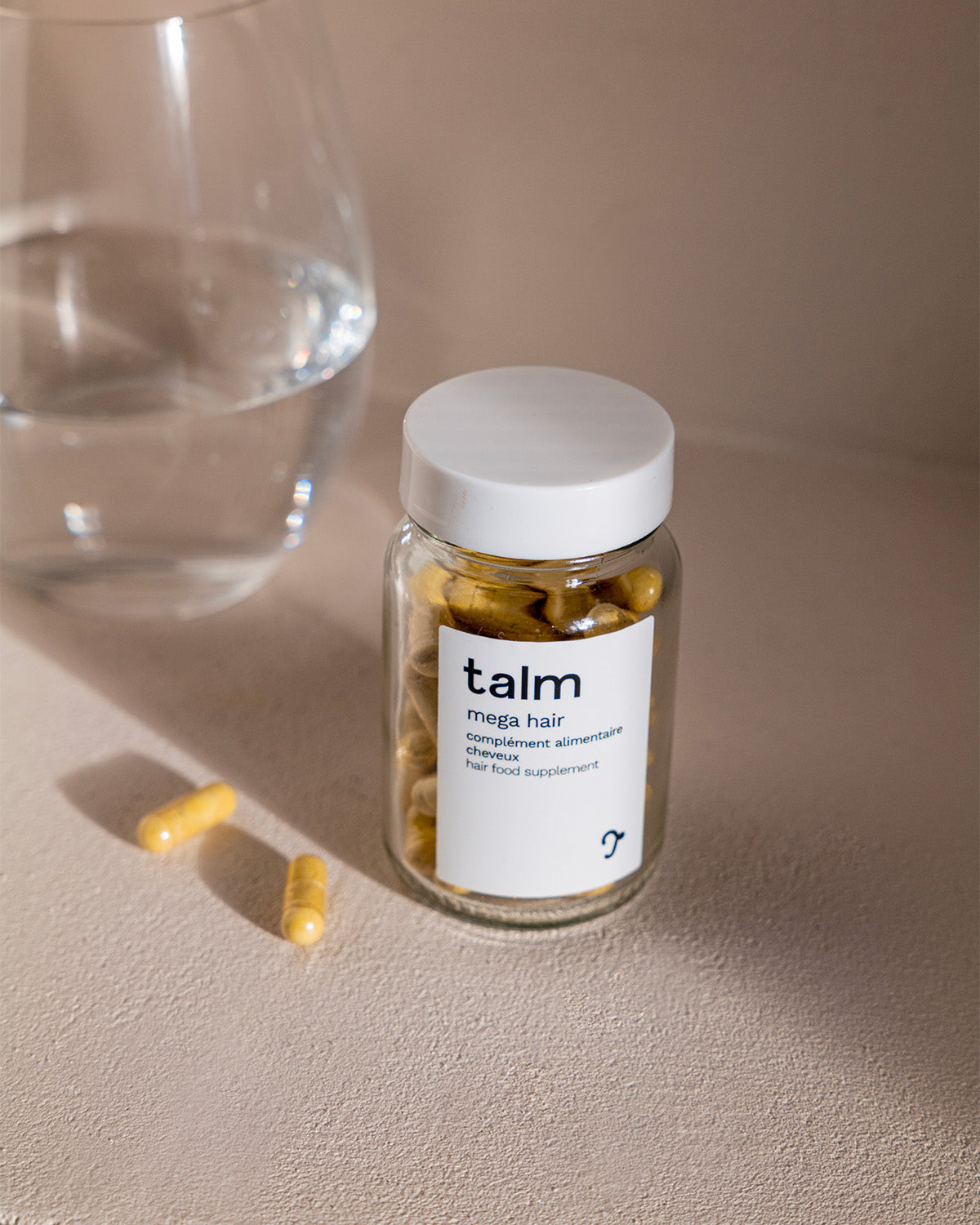
Table of contents
- Why hair loss after pregnancy is normal
- How long does postpartum hair loss last
- Hair loss after childbirth: understanding what’s happening
- Practical solutions to support hair regrowth after childbirth
- Frequently asked questions
Have you just given birth and noticed that your hair is falling out more than usual? Postpartum hair loss can come as a surprise, especially when it’s compounded by fatigue, emotional ups and downs, and everything else you’re going through after giving birth. However, in most cases, this hair loss is a normal part of the postpartum period. Understanding what’s happening often helps you navigate this phase with greater peace of mind and better recognize what’s normal.
Why hair loss after pregnancy is normal
Seeing hair everywhere can be worrisome. That’s only human. But hair loss after pregnancy is a common phenomenon linked to the body’s natural processes. This is a readjustment, not a disorder.
The role of hormones during and after pregnancy
During pregnancy, hormones—particularly estrogen—alter the hair growth cycle. Many hairs remain in the growth phase longer, which often results in thicker, softer, and shinier hair. This is one of the effects many women notice during this time.
After pregnancy, the pattern changes. Hormonal fluctuations during the postpartum period cause more hair to enter the telogen phase, which precedes shedding. In other words, hair that would have fallen out earlier all falls out at the same time. This mechanism explains postpartum hair loss, sometimes called postpartum alopecia or telogen effluvium.
Normal hair loss after pregnancy is therefore a gradual return to balance. The body resumes its natural rhythm after childbirth. Although this hair loss can be unsettling, it does not usually indicate a long-term problem.
A common phenomenon during the postpartum period
When this hair loss occurs, you may quickly feel alone or wonder if something is wrong. In reality, it’s a common postpartum experience, often most noticeable a few months after childbirth, when the hair growth cycle resumes.
This perception of heavy hair loss has a simple explanation: for several months, hair growth was prolonged; after childbirth, the hair growth cycle resumes. For some of the hair, the growth phase then gives way to a telogen phase, followed by a more noticeable shedding phase.
Hair loss after pregnancy: a rebalancing, not permanent loss
It’s often easier to view this postpartum hair loss as a sign of rebalancing. The same hormones that supported hair growth during pregnancy subsequently decline. The body readapts.
In most cases, new hair eventually appears over the course of several months. It’s often noticeable around the face or on the top of the head, sometimes in the form of small patches of regrowth. Postpartum hair loss doesn’t last forever: after pregnancy, hair growth naturally resumes its normal course.
How long does postpartum hair loss last?
When hair loss seems more noticeable than usual, it can be a bit unsettling. However, this phase is part of the common hormonal changes that occur after pregnancy, and in most cases, it is temporary.
After childbirth: when does postpartum hair loss begin?
Postpartum hair loss most often begins a few months after childbirth, typically between the second and fourth months. This delay surprises many new mothers: during pregnancy, hormones extend the hair’s growth cycle, but after birth, as hormonal balance readjusts, the hair that had remained in place begins to fall out more heavily.
In other words, if you’re wondering how long postpartum hair loss can last, you should first know that it doesn’t always start right away. It often appears just when you thought you were finally catching your breath.
Duration of postpartum hair loss: what to expect?
The duration of postpartum hair loss varies from woman to woman. But the progression is often the same, which can help you navigate this process without panicking:
- At first: postpartum hair loss becomes more noticeable, usually in the months following childbirth.
- For a few months: it may seem more pronounced in daily life, especially when washing, brushing, or on your pillow.
- Then, gradually: the hair loss slows down, and new hair begins to grow back little by little.
In practice, the duration of this hair loss depends on your body’s natural rhythm, your recovery after childbirth, stress, fatigue, diet, and, sometimes, genetic predisposition. Postpartum hair loss may therefore seem to last a long time, but the outlook is usually positive.
Breastfeeding, hormones, and postpartum hair loss
Breastfeeding can slightly prolong this adjustment period. Hormone levels continue to fluctuate after childbirth, and some women notice that postpartum hair loss lasts a little longer while they’re breastfeeding. This doesn’t mean you need to change your choices—it’s simply something to keep in mind to better understand what your body is going through.
Fatigue, lack of sleep, and the emotional strain of the first few weeks can also make what you see in the bathroom seem worse. They aren’t the cause of postpartum hair loss, but they can make it more noticeable. After pregnancy, we often just do the best we can. And that’s already a lot.
If you’re still wondering how long postpartum hair loss lasts, remember that it’s a temporary phase after childbirth, even though its intensity and duration vary from woman to woman.
Postpartum hair loss: factors that exacerbate it and signs to watch for
Hair loss is one of the changes you may experience postpartum. It’s usually a natural occurrence. But certain factors can exacerbate this hair loss or prolong the shedding phase. Identifying them helps you better understand what’s happening and find the right solutions without worrying too soon.
Nutritional deficiencies, fatigue, breastfeeding: what can worsen hair loss
Postpartum hair loss is generally linked to hormonal changes. After childbirth, the body recovers, reserves may be strained, and fatigue is often felt. Breastfeeding isn’t in itself the cause of hair loss, but it can contribute to high energy expenditure if nutrient intake doesn’t keep up.
- Stress and fatigue: lack of sleep, mental strain, and the intensity of the first few weeks can exacerbate hair loss that has already begun.
- An inadequate diet: when you eat on the go or follow an overly restrictive diet, your body may lack the nutrients needed for overall health and hair regrowth.
- Certain deficiencies: a lack of iron, zinc, or B vitamins can prolong postpartum hair loss longer than expected.
Sometimes, the body also sends subtle signals: persistent fatigue, more brittle nails, or a less radiant complexion. While these aren’t necessarily cause for alarm right away, they may warrant a check-up to understand what’s going on and adjust your approach in simple, natural ways.
When postpartum hair loss lasts longer than expected
Postpartum hair loss usually lasts a few months. For some women, however, this phase can be prolonged—especially if hormonal changes remain significant, if breastfeeding continues amid severe fatigue, or if nutritional deficiencies aren’t addressed.
If hair loss continues for a long time without any visible improvement, it’s best to seek medical advice. Not to cause alarm, but to make sure there isn’t another underlying issue. A simple checkup can help you understand what’s happening and adjust your approach accordingly.
Losing your hair after childbirth can be unsettling. Sometimes you don’t recognize yourself in the mirror, at a time when you’re already dealing with so much.
Practical solutions to support hair regrowth after childbirth
After childbirth, you often need simple guidance. Understanding postpartum hair loss already helps you cope better with this phase, but what matters most are practical solutions that are easy to incorporate into your daily routine. Good news: you can support hair regrowth after pregnancy with gentle care, a natural routine, and a few targeted adjustments—without putting pressure on yourself.
A gentle hair care routine to prevent hair loss
When postpartum hair loss sets in, the priority is to be gentle with your scalp and hair strands. During this time, your hair is often more sensitive—it’s best to stick to the basics. Appropriate care often starts here, with simple, regular, and reassuring habits.
- A gentle shampoo: wash your hair with lukewarm water and a sulfate-free formula to maintain the scalp’s natural balance.
- Gentle hair ties: avoid anything that pulls or breaks the hair, and opt for comfortable hairstyles using silk or cotton accessories.
- A scalp massage: a few minutes a day can support microcirculation and gently support the hair growth cycle.
Targeted nutrients to support regrowth
After pregnancy, the body often needs time to regain its balance. And this is also reflected in the hair. To support this period from the inside, certain nutrients can be helpful, especially when meals are eaten on the go or fatigue sets in. The idea isn’t to do more, but to give the body the right support during this recovery phase.
Certain nutrients play a key role in this process: B vitamins, zinc, and plant extracts such as stinging nettle, brewer’s yeast, blueberry, acai, and arginine. The Mega Hair supplement formula was developed around these ingredients to support the hair growth cycle after pregnancy. A formula designed to support the hair cycle, hair growth, and hair health after pregnancy: the Mega Hair supplement.
Diet: valuable support after pregnancy
After pregnancy, your diet can become a gentle yet practical ally. Certain foods provide nutrients that can help with post-pregnancy hair loss: iron from lentils or red meat, biotin from eggs and almonds, zinc from pumpkin seeds, and omega-3s from salmon. Without drastically changing your daily routine, these dietary choices can support hair regrowth and health after childbirth.
For those seeking more comprehensive support, this page brings together solutions tailored to this time. These formulas are designed to complement a gentle routine, support postpartum hair regrowth, and promote hair health—all with a natural, caring, and realistic approach.
Frequently asked questions
How long does postpartum hair loss last?
Postpartum hair loss often begins a few months after birth, as hormones readjust following pregnancy. This is a common phase during the postpartum period and is part of the hair cycle’s gradual return to balance. Generally, the most noticeable phase lasts several months, after which the hair gradually regains its natural rhythm and enters a new growth phase. After pregnancy, it’s sometimes necessary to give the body time to fully recover. If postpartum hair loss continues well beyond the postpartum period, seeking medical advice can help you understand what’s happening.
Why do women lose their hair after pregnancy?
During pregnancy, hormones prolong the hair’s growth phase: hair falls out less, and often appears thicker and shinier. After childbirth, this rhythm changes abruptly. Many hairs then enter the shedding phase at the same time, simply because the hair cycle returns to its normal course. This phenomenon, which is very common postpartum, is natural. After pregnancy, it doesn’t necessarily indicate a problem—it’s primarily a natural rebalancing of the hair cycle.
How can you support regrowth and minimize hair loss during the postpartum period?
During the postpartum period, you can gently care for your scalp: choose a simple routine, avoid hairstyles that are too tight, gently massage your scalp, and make sure to eat a balanced diet. Some women also find relief in a tailored postpartum treatment regimen. After childbirth, regrowth often requires a little patience, as the duration of hair loss varies from woman to woman. The idea is not to force the process, but to support the body with confidence until a more stable growth phase gradually returns.