





Postpartum skin care: a guide for your body

Table of Contents
- Why does your skin change so much after giving birth?
- Treating stretch marks and moisturizing your body after childbirth
- Establishing a simple and effective postpartum body care routine
- Frequently asked questions
Taking care of your skin after childbirth is often one of the first things you focus on after giving birth. During this transitional period, your skin may feel different, sometimes more delicate, sometimes unpredictable.
Why does the skin change so much after childbirth?
The body has just undergone a massive upheaval. After pregnancy, it needs time to find a new balance, and this is also reflected in the skin.
Hormonal changes and their effects on the skin
After childbirth, estrogen levels drop rapidly. These hormones, produced mainly by the ovaries, play a key role in the balance of your skin and body. During pregnancy, their levels increase significantly, which often explains that radiant complexion.
After childbirth, this hormonal drop is sudden: your skin may become drier, more reactive, or prone to breakouts. This is a natural and temporary phenomenon. This change directly affects the epidermis: the skin may become more fragile, more reactive, duller, or, conversely, produce more sebum. The face is often the first to show signs of this phase, with a lack of radiance, discomfort, and minor blemishes.
- Dry skin: the skin retains moisture less effectively, which can cause tightness and daily discomfort.
- More sensitive skin: postpartum skin may sometimes tolerate certain familiar products less well, particularly those that are overly fragranced or too harsh.
- Breakouts: pimples may appear after pregnancy, even without a prior history of breakouts.
- Dull complexion: fatigue, emotions, and hormonal changes often show on the face.
These reactions are common after childbirth. In most cases, they gradually subside. To care for your skin after giving birth, it’s best to stick to a simple routine for a few weeks, then gently reintroduce your usual habits if your skin allows it.
Dryness, dark spots, and loss of firmness: the most common issues
Postpartum skin issues vary from woman to woman, but certain problems are common: dry skin, dark spots, loss of firmness, and stretch marks. The abdomen, in particular, often draws the most attention after childbirth, as it is an area that has undergone significant changes.
- Dark spots: hyperpigmentation may persist after pregnancy. These spots often tend to fade over time, provided you protect your skin from the sun regularly.
- Established stretch marks: visible on the stomach, hips, chest, or thighs, these stretch marks may appear more pronounced in the early postpartum period.
- Sagging skin and loss of firmness: after the gradual stretching that occurs during pregnancy, the body needs time to recover. The skin may appear less toned, especially on the abdomen.
After giving birth, the goal isn’t to immediately regain your pre-pregnancy skin, but to care for your postpartum skin consistently, gently, and patiently.
Fatigue and breastfeeding: two factors that affect the skin
Breastfeeding places a lot of strain on the body. It can exacerbate dehydration and make dry skin feel more uncomfortable. Drinking at least 1.5 liters of water a day, applying a suitable cream, and opting for simple skincare routines are already effective ways to care for your skin after childbirth.
Short nights, stress, and the hectic pace of the first few weeks also have a visible impact on the skin. After childbirth, a few simple tips often make all the difference: cleanse without stripping the skin, moisturize your body and face, and protect your skin every day.
Treating stretch marks and moisturizing your body after childbirth
The body after having a baby often bears the marks of an intense journey. Stretch marks, tightness, or drier postpartum skin are common. This is normal. To feel more comfortable, the most helpful approach is often a simple, regular, and soothing routine focused on moisturizing the body after childbirth.
Understanding stretch marks to treat them more effectively
Postpartum stretch marks usually appear as fine pink or purplish lines, especially on the abdomen, hips, thighs, or breasts. They occur when the skin stretches significantly and the collagen and elastin fibers become weakened. Over time, these marks often fade and become less visible.
A specially formulated treatment, applied regularly, can support this process. Applying it twice a day, combined with a gentle massage, helps maintain the skin’s suppleness after childbirth and gradually improve the appearance of stretch marks. Some products focus on a firming action to support collagen and provide daily comfort. If you’re breastfeeding, it’s best to simply avoid the nipple area.
The best body care products to prevent and reduce stretch marks
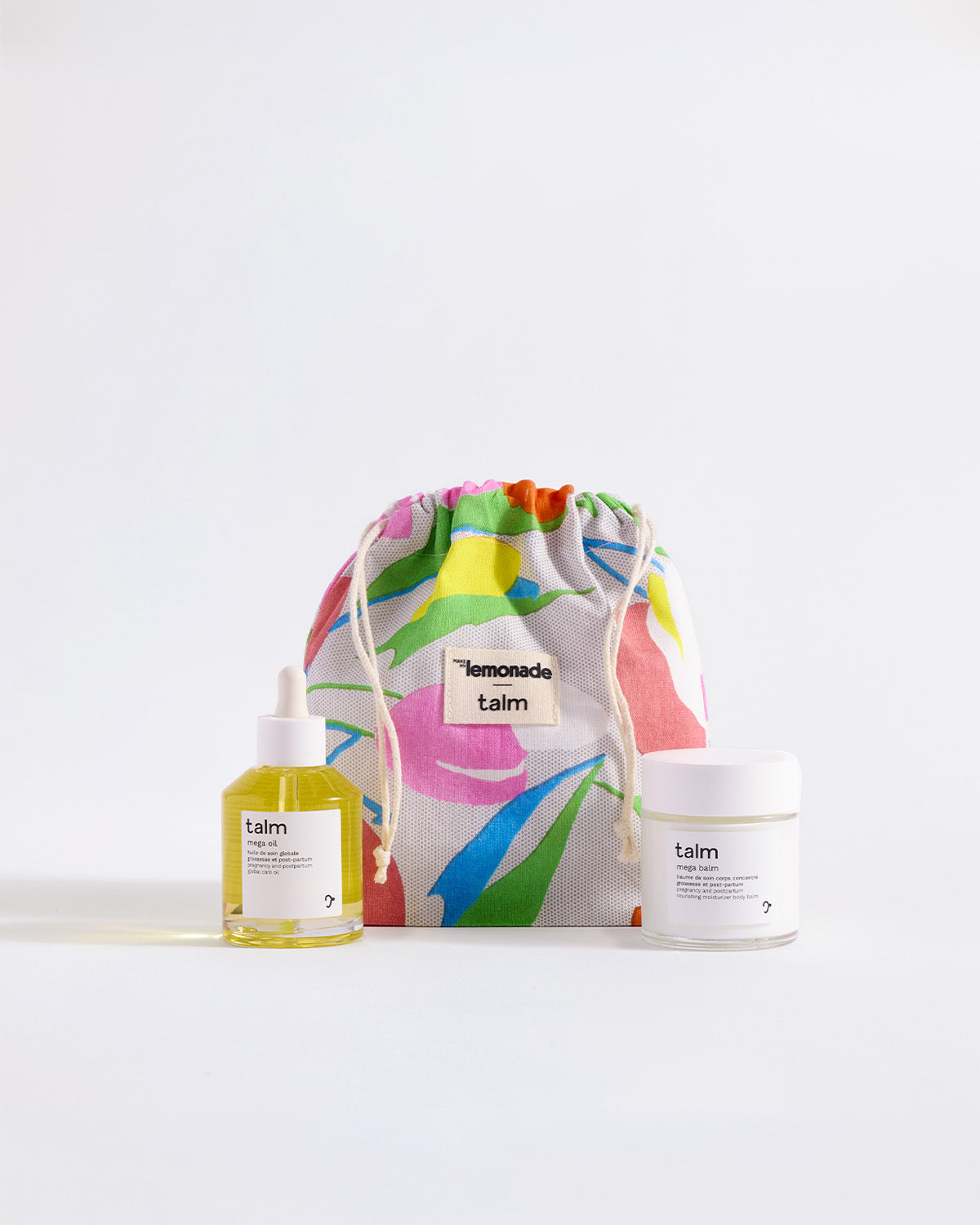
For postpartum care, you can rely on two complementary steps: a plant-based oil applied after showering to skin that’s still slightly damp helps maintain suppleness. Then, a moisturizer, such as a balm or lotion, enhances comfort and helps prevent dryness.
Popular natural ingredients often include musk rose, sweet almond, avocado, and macadamia nut. Formulas rich in shea butter or ceramides also support the skin barrier, which is especially important for the body after childbirth. A firming and moisturizing treatment can round out the routine if you want to care for the areas that have been most stressed. talm’s postpartum body care products are formulated to address these specific needs.
| Type of product | Main benefit | Ideal time to apply |
| Nourishing plant oil | Deeply nourishes, improves elasticity | After showering, on damp skin |
| Moisturizing balm | Protects, locks in moisture, soothes | Morning and/or evening |
| Firming and moisturizing treatment | Stimulates collagen, reduces the appearance of stretch marks | Twice daily on targeted areas |
| Moisturizing body lotion | Lightly moisturizes, fluid texture | Daily, all over the body |
How to massage your body to optimize results
Massage makes a big difference. A few slow, gentle circular motions, morning or evening, are enough to help a firming treatment penetrate better, support skin comfort, and care for your body with greater attention.
This ritual can also help you reconnect with your body after having a baby. You touch it more gently. You embrace the changes without rushing, whether they’re scars, stretch marks, or your body in general after childbirth.
Building a simple and effective postpartum body care routine
There’s no need to stockpile products or set aside a full hour every morning. A truly effective postpartum beauty routine is based on a few simple steps that are sustainable in real life. What helps postpartum skin most of all is consistency. Day after day, a gentle skincare routine can bring greater comfort to the skin.
The essential steps of a suitable postpartum routine
A balanced postpartum routine can focus on the essentials: gently cleansing, applying a moisturizer, and then targeting the areas that need it. This minimalist postpartum body routine is gentle on the skin, which is often more sensitive after childbirth, and fits more easily into already busy days.
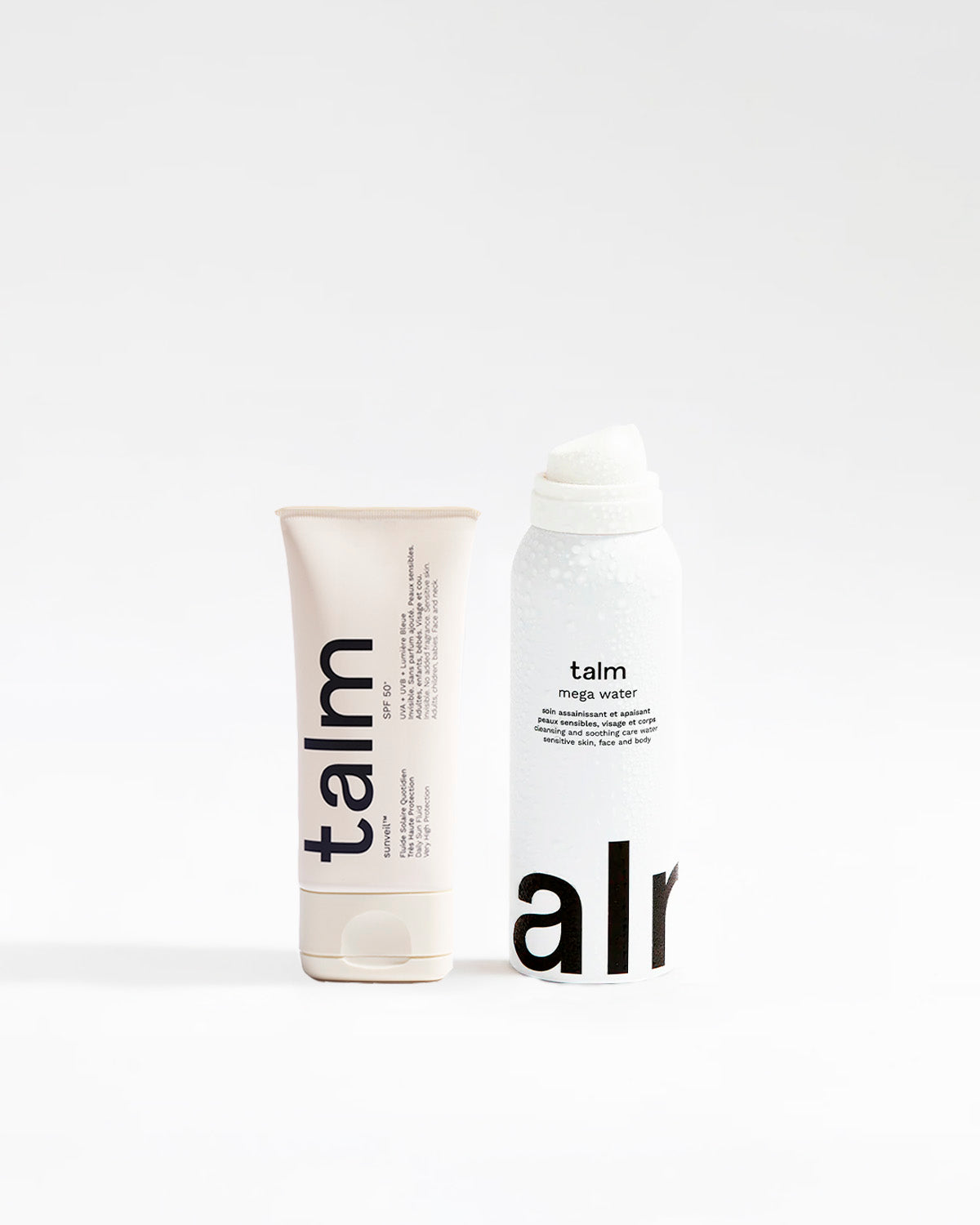
- Gentle cleanser: choose a formula free of harsh sulfates and synthetic fragrances to preserve the hydrolipidic film of skin that may be compromised.
- Body moisturizer: a moisturizing cream or balm applied after showering, while the skin is still slightly damp, helps maintain suppleness and reduce tightness.
- Targeted care: for stretch marks, scars, or certain more affected areas, a regular massage with a suitable product gently supports the skin.
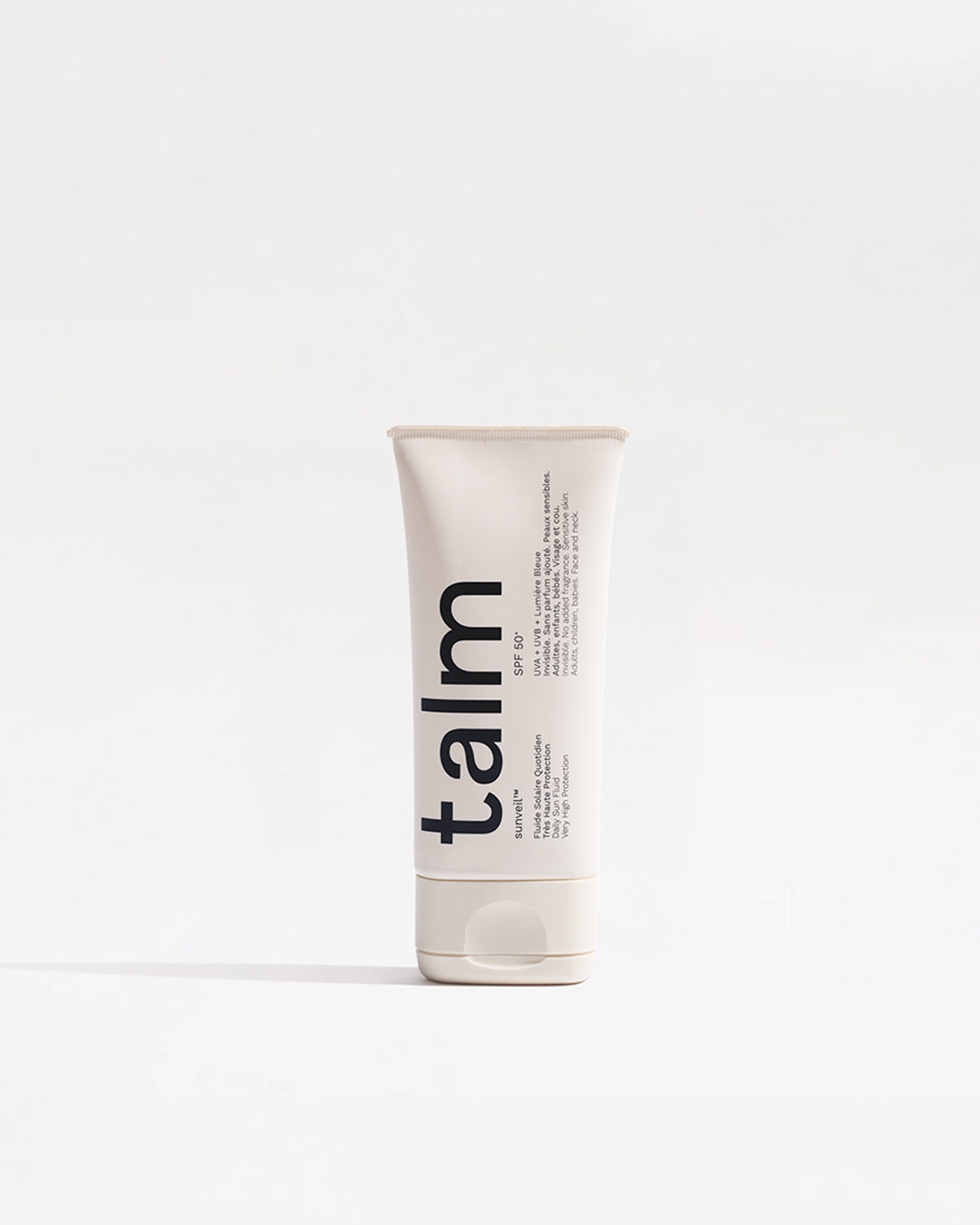
- Facial sun protection: if dark spots have appeared or persist, it’s best to protect your face with a gentle, fragrance-free mineral sunscreen that’s safe for use while breastfeeding.
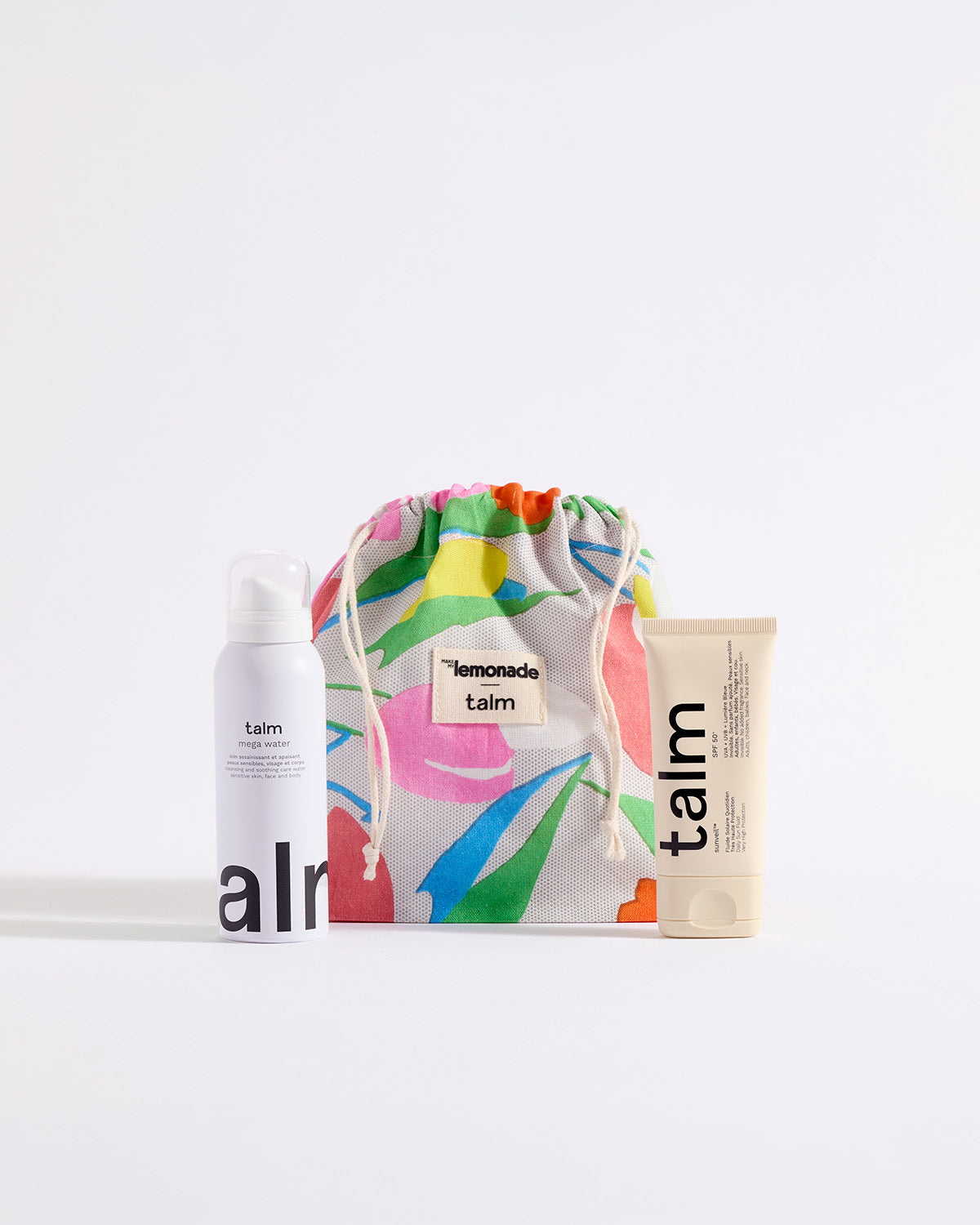
This collection features skincare products formulated for this period, with comfortable textures that nourish, soften, and soothe the skin. You can find the postpartum skincare products designed for this stage.
Sensitive skin care, sun protection, and skin nutrition
Postpartum sensitive skin care is best kept simple. Avoid heavily fragranced formulas, strong alcohols, or unnecessarily irritating ingredients, and opt for rich, nourishing textures based on plant oils or nourishing butters. To build a gentle daily routine, discover all our postpartum skincare products designed for delicate skin.
Your diet can also support your postpartum skin. Healthy fats like avocado, olive oil, or nuts; antioxidants found in berries and green vegetables; and omega-3s from fatty fish or flaxseeds all contribute to the skin’s comfort. Vitamins A, C, and E can also help maintain the skin’s radiance and suppleness.
Taking care of your body, a gesture of self-care
In the weeks that follow, taking care of your skin after childbirth often goes far beyond a beauty routine. Sometimes just a few minutes are enough to reconnect with your body, regain your bearings, and give yourself a little attention during a very intense time.
Your body may sometimes show stretch marks, scars, or dark spots. Your face may also feel more sensitive or appear less radiant. All of this is part of an evolving journey. Taking care of your skin after childbirth means gently embracing these changes, without striving for perfection. As the days go by, this routine can help you feel more at ease in your own body.
Frequently asked questions
How can you take care of your skin after giving birth?
To take care of your skin after giving birth, you can go back to the basics. After pregnancy, your skin needs, above all, gentleness, consistency, and carefully selected body care formulas. The ideal approach is to adopt a simple routine: a moisturizer applied daily, a product specifically formulated for areas prone to stretch marks, and natural skincare products that you’ve already been using without irritation for several weeks postpartum. It’s best to avoid overly potent active ingredients at first if your skin is sensitive. With simple steps, consistency, and a little massage, you can help your skin regain comfort, softness, and greater suppleness.
How can you restore soft, firm skin after pregnancy?
To restore soft skin after pregnancy and support firmness, you can combine a nourishing plant-based oil with a firming treatment, applied daily. This routine is particularly helpful for loose skin, especially on the stomach, chest, or hips. Formulas rich in plant-based collagen, shea butter, and oils such as sweet almond or musk rose are often appreciated for their comfort and nourishing effects. Regular massage, proper hydration, and a diet rich in healthy fats and antioxidants can also support the body during this phase. Generally, after pregnancy, the skin gradually improves over two to three months.
What ingredients should be avoided in postpartum skincare products if you’re breastfeeding?
After childbirth, especially while breastfeeding, it’s best to choose simple, gentle formulas. Avoid retinoids, harsh alcohols, strong synthetic fragrances, and potent preservatives such as high concentrations of parabens, as they can further weaken the skin. Conversely, certain active ingredients such as niacinamide, panthenol, and allantoin are generally well tolerated. You should also be careful with sensitive areas, particularly the nipples: before applying a product to them, always check that it is safe for use while breastfeeding.
Read more
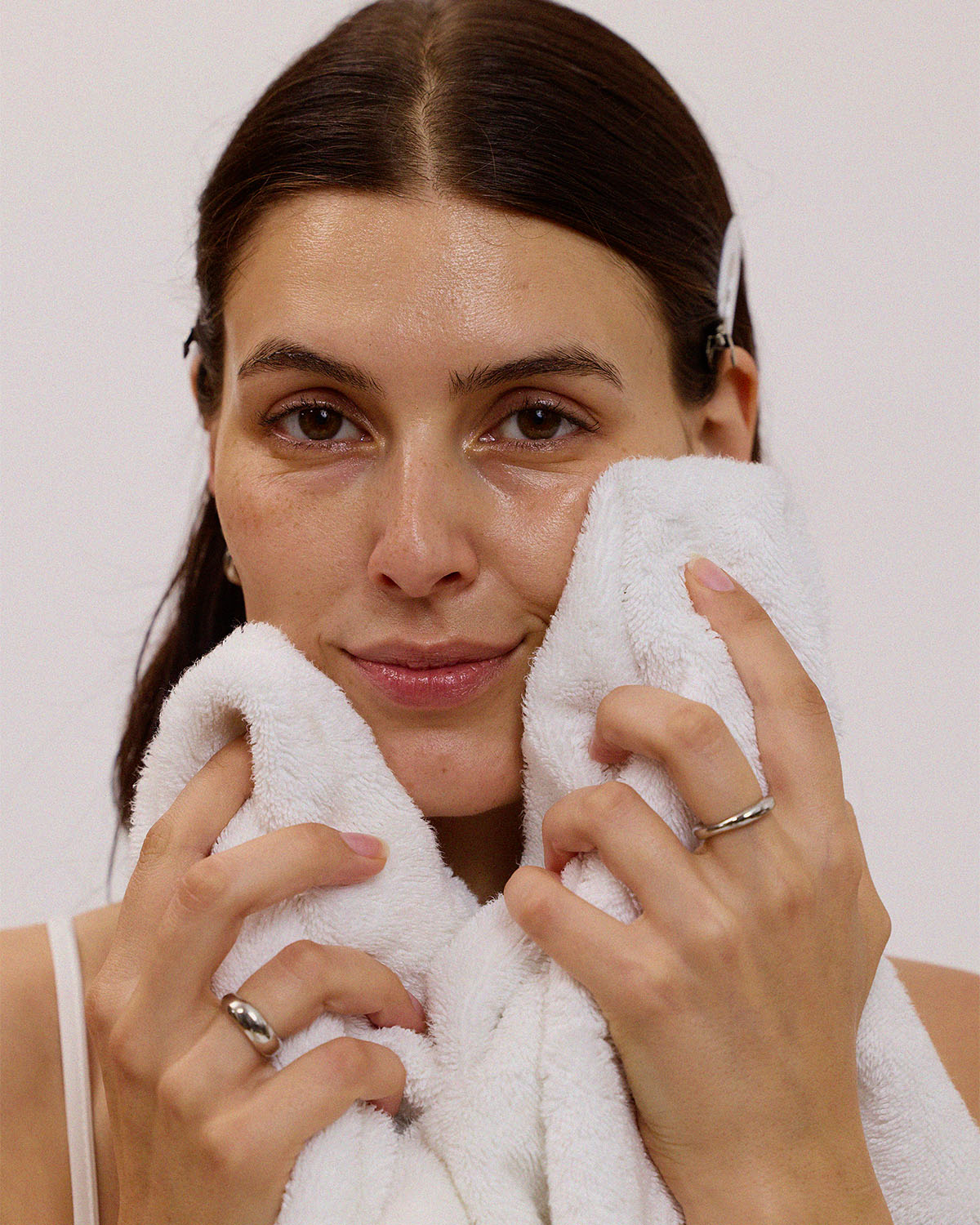
Hormones, fatigue, stress: find out why skin is sensitive after childbirth and how to care for it to restore a soothed complexion.
Bouton de chaleur, rougeurs, peau réactive : découvrez pourquoi les adultes en souffrent et quel traitement apaisant choisir pour chaque bouton.