Why your skin is becoming more sensitive (and how to treat it)
At talm, we study skin when it becomes more demanding
Redness, discomfort, reactivity, tightness… These manifestations are not trivial. They reflect precise biological imbalances, often linked to an alteration in the skin's natural functioning. A French epidemiological study updates data on the prevalence of sensitive skin, revealing that more than one in two French people claims to have sensitive skin, with significant differences between men and women. This research, based on a large representative sample, also evaluates the impact of sensitive skin on quality of life through specific and non-specific questionnaires, showing a notable alteration in mental and physical well-being among those affected. To learn more, consult this sensitive skin epidemiology France.
Understanding the origin of sensitive skin and its mechanisms is essential to better address it. Our approach is based on a simple principle: the right active, at the right dose.
Sensitive skin is not a skin type, but a state of sensitivity
Contrary to popular belief, skin sensitivity is not a fixed typology. It is a transient or lasting state, which can appear at different moments in life, influenced by your initial skin type. Whether it is pregnancy, postpartum, stress or fatigue, reactivity increases. Seasonal changes or over-stimulation with cosmetic irritants accentuate these phenomena.
In these moments, the skin becomes more vulnerable. It no longer reacts as before, and symptoms such as tingling, burning or itching can occur, not to be confused with permanent redness linked to rosacea. Three major biological mechanisms explain this evolution, at the heart of our research. This page explains the scientific approach dedicated to sensitive skin, based on the principle of the right active at the right dose. It details three essential pillars: restoring the weakened skin barrier, lasting hydration through targeted actives and respectful formulation with a strict selection of ingredients. Products are developed according to high standards of dermatological tolerance and undergo comprehensive clinical testing to guarantee their efficacy without compromising skin sensitivity: discover our sensitive skin science.
1. Your skin barrier is weakened: the right care for sensitive skin
The skin barrier is the first line of defence. When it is altered, the barrier more easily loses its hydration. It becomes more permeable to external aggressions and reactive to actives, promoting irritation. It is often at this point that feelings of discomfort appear: heat sensations and redness.
How to treat sensitive skin?
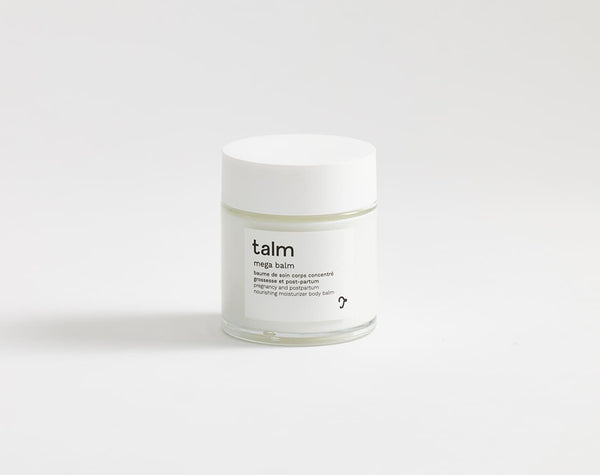
The goal is to restore this protection without disrupting it further. To soothe, we favour biomimetic actives inspired by components naturally present in the epidermis (lipids, ceramides). Concretely, this translates into a cream or treatment capable of nourishing and strengthening durably, such as Mega Balm or Mega Oil, designed to accompany phases of fragility.
2. Hydration for sensitive skin, even for sensitive and oily skin
Sensitive skin is very often dry or lacking in water. Even combination skin, sensitive acne-prone skin or sensitive and oily skin can be affected. When hydration is insufficient, the skin feels tight, its overall balance is disrupted and it becomes unstable.
A multi-level response
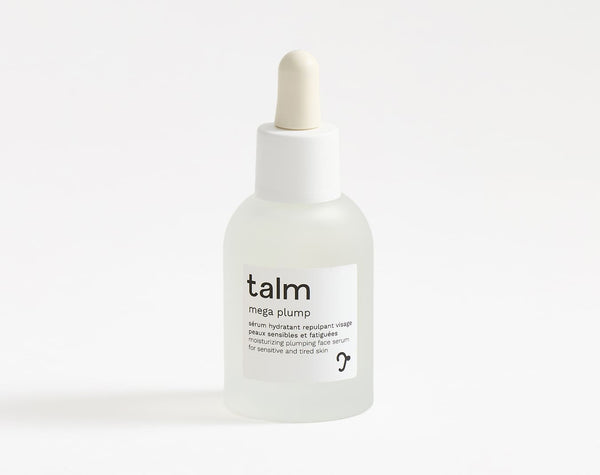
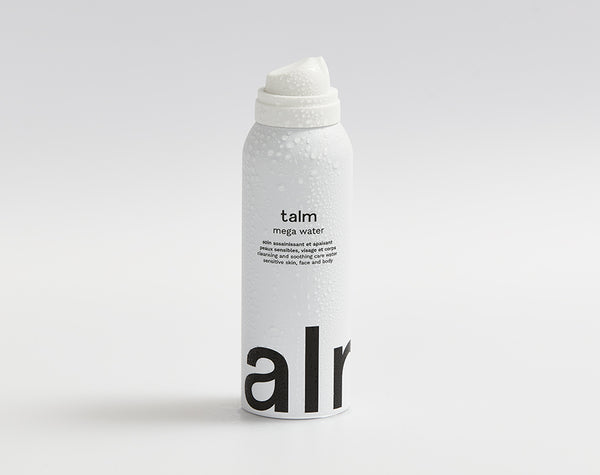
Hydration must be thought out for sensitive and dry skin as well as for others. A collection of moisturising treatments specially formulated to nourish and protect sensitive and dehydrated skin. These products, designed to restore hydration and soothe the skin, are particularly suited to periods of hormonal changes and fatigue. The natural and safe formulas are perfectly suited to the needs of fragile skin that requires intensive strengthening and soothing. Discover our sensitive skin moisturising treatments. Our formulas combine a duo of hyaluronic acids and our Mega Water enriched with minerals for a deep action.
3. Skincare for sensitive skin often too complex
Today, the epidermis is often confronted with an accumulation of ingredients and routines. The result: sensitive skin tends to saturate and react to products it previously tolerated. This is not always a deficiency, it is often an excess.
Simplifying the routine
For dry, sensitive or reactive skin, less is often more. The goal is not to do more, but to do exactly what is needed with gentle cleansers and streamlined formulas.
4. Our skincare approach at talm
At talm, we formulate for sensitive skin with a standard of excellence born from maternity. Safety, maximum tolerance and formulas without essential oils, alcohol or synthetic fragrances. A standard designed for pregnant women, but beneficial for all reactive skin types.
Ideal routine (Morning and Evening)
When skin becomes more reactive, the goal is not to do more, but to do better. A short, consistent, and perfectly tolerated routine is often enough to restore its balance.
Morning
1. Rebalance and soothe
Starting with a mist or active water prepares the skin without over-stimulating it.
→ Mega Water helps to rehydrate, soothe and optimise the penetration of treatments.
2. Hydrate and protect
Then apply a moisturising treatment to strengthen the skin barrier and maintain the skin's balance throughout the day.
→ Mega Plump and La Crème provide lasting hydration and support the barrier function.
Evening
1. Soothe again
After cleansing, reintroducing a gentle step helps to limit reactions and calm the skin.
2. Repair and nourish
The evening is the key moment to support skin regeneration.
→ Mega Oil to strengthen suppleness and accompany phases of imbalance
Frequently asked questions
What does it mean to have sensitive skin?
Having sensitive skin is defined by hyper-reactivity to internal or external triggers. This manifests as redness, tightness, tingling or heat sensations due to a weakened skin barrier.
How to properly hydrate sensitive and reactive skin?
It is recommended to use moisturising treatments enriched with biomimetic actives such as hyaluronic acid and ceramides, while avoiding overloaded formulas, synthetic fragrances and irritating preservatives.
What gestures should be avoided for sensitive skin?
Avoid water that is too hot, abrasive scrubs, stripping soaps, as well as the excessive multiplication of cosmetic products which can saturate and further irritate the epidermis.